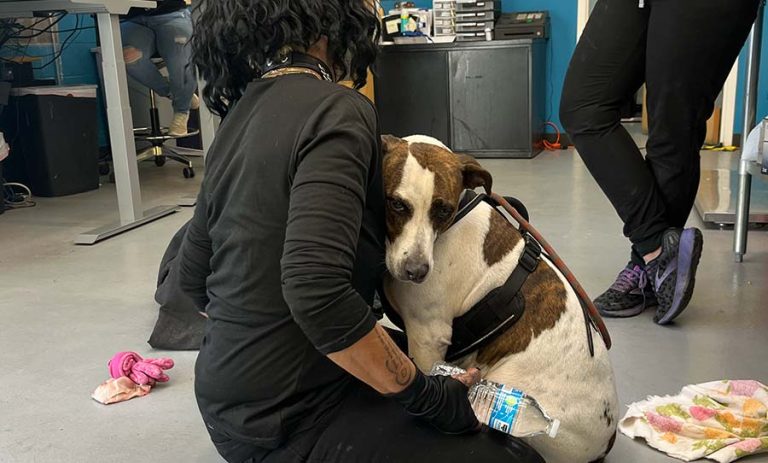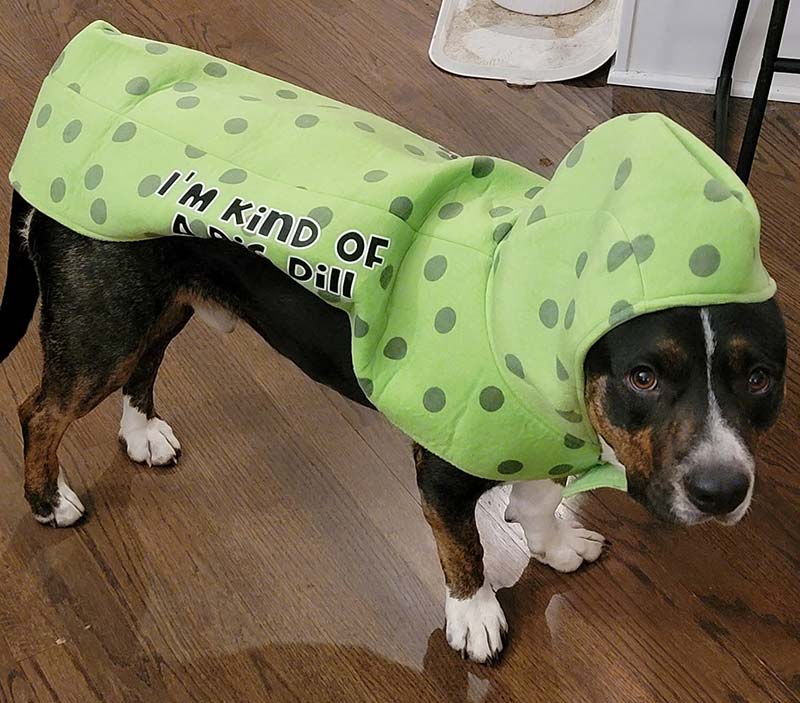
Halloween can be a fun night for people, but for our pets, it can also mean unfamiliar noises, constant doorbell ringing, strange people in costumes, and plenty of opportunities to get into things they shouldn’t.
As a veterinary clinic, we see firsthand how quickly an ordinary night can turn into an emergency. A little preparation can go a long way toward keeping your pets safe this Halloween.
Keep the candy away from your pets
This is probably the most obvious Halloween hazard, but it’s also one of the easiest to prevent.
Chocolate can be toxic to dogs and cats, and the risk depends on the type and amount eaten as well as the pet’s size. Dark chocolate, baking chocolate, and cocoa products are generally more dangerous than milk chocolate.
Sugar-free candy can pose an additional serious concern because some products contain xylitol, an ingredient that can cause a dangerous drop in blood sugar and potentially death in dogs.
And it’s not just the candy itself. Candy wrappers can cause gastrointestinal irritation or even an intestinal blockage if swallowed.
Keep all candy, treats, and wrappers somewhere your pets cannot access them. Don’t rely on a bowl sitting on the counter if your dog is a professional counter surfer.
What if your pet eats something they shouldn’t?
Don’t wait for symptoms to appear. Call your veterinarian or a pet poison service right away and have the packaging available so you can provide the exact product and ingredients.
Do not induce vomiting unless a veterinary professional specifically tells you to. Some substances can cause more damage coming back up, and there are situations where inducing vomiting is not appropriate.
Be careful with costumes
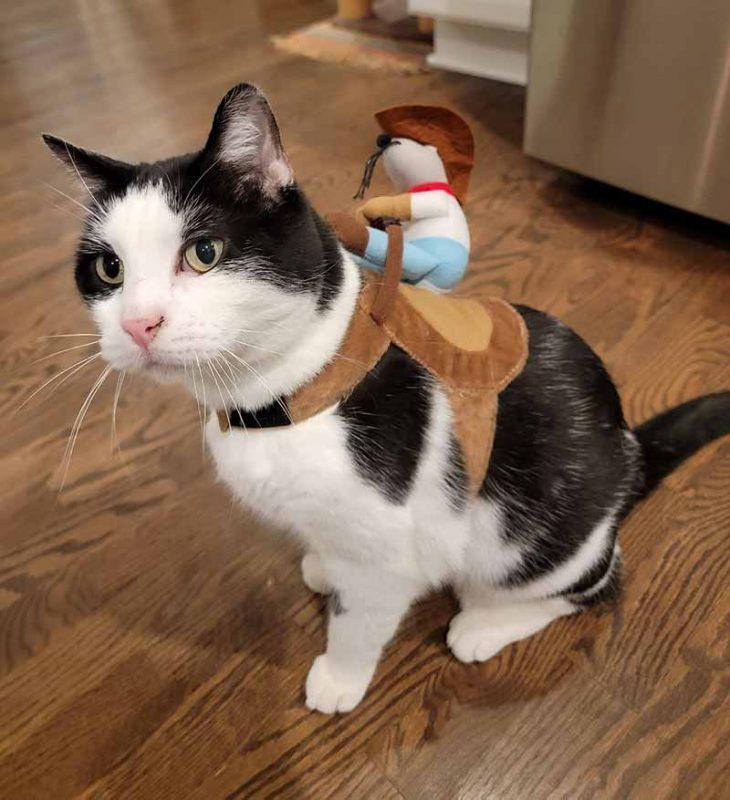
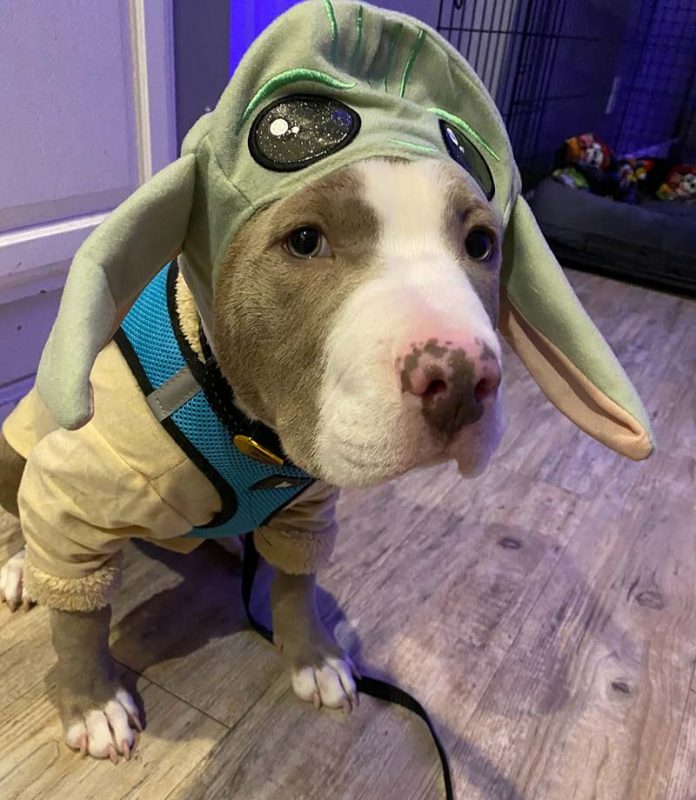
Dressing up your pet can be adorable, but a costume should never come at the expense of their comfort or safety.
If your pet is uncomfortable in clothing, Halloween is not the night to force it. Signs that a pet is stressed by a costume can include freezing, trying to escape, excessive panting, hiding, growling, or repeatedly trying to remove the costume.
If your pet does wear a costume:
- Make sure they can breathe, see, hear, walk, and move normally.
- Avoid anything that is tight around the neck.
- Remove small pieces, strings, or decorations that could be chewed or swallowed.
- Never leave a costumed pet unattended.
- Take the costume off if your pet becomes stressed or uncomfortable.
Give nervous pets a quiet place to escape
For many pets, Halloween is a night of frights, not fun.
The doorbell may ring dozens of times. Strangers may repeatedly approach the house. People are walking around outside in unusual clothing, and children may be louder and more excited than usual.
Even a friendly dog can become frightened or defensive when overwhelmed.
Before trick-or-treaters arrive, consider putting your pet in a quiet room away from the front door. Close the curtains, turn on a television or white noise, and give them a comfortable place to settle. If you know your pet is especially anxious on Halloween, consider asking your vet if medication could help.
Make sure everyone in the household knows that the pet is not to be disturbed while they are in their safe space.
Don’t assume your pet won’t run out the door
The front door opening repeatedly throughout the evening creates a very real escape risk.
A dog that normally stays close to you may bolt when frightened. A cat that is curious about all the activity may slip through an open door before anyone notices.
Keep pets away from the entryway if possible, and make sure they are wearing identification.
Check their collar and tags before Halloween and make sure their microchip information is current. A microchip only helps reunite you with your pet if your contact information is up to date.
Be cautious with Halloween decorations
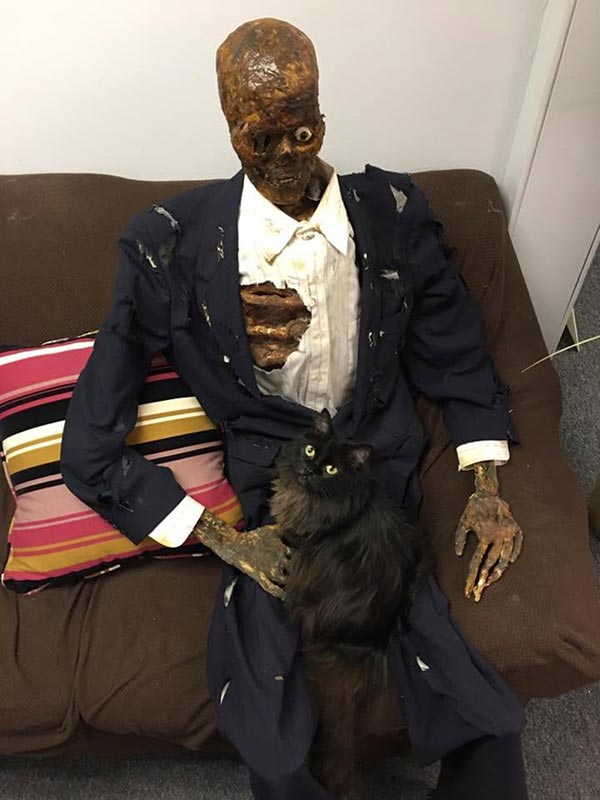
Pets don’t understand that a decoration is supposed to be decorative.
Keep candles, jack-o’-lanterns, and other flames where pets cannot knock them over or burn themselves. Battery-operated candles are a safer alternative.
Also watch out for decorations that can be chewed or swallowed, including:
- Electrical cords
- String and ribbon
- Fake cobwebs
- Small decorative pieces
- Glow sticks
- Plastic decorations
Glow sticks are generally not considered highly toxic, but their bitter contents can cause significant drooling and irritation if chewed. Pets who swallow pieces of the plastic can also be at risk for gastrointestinal problems.
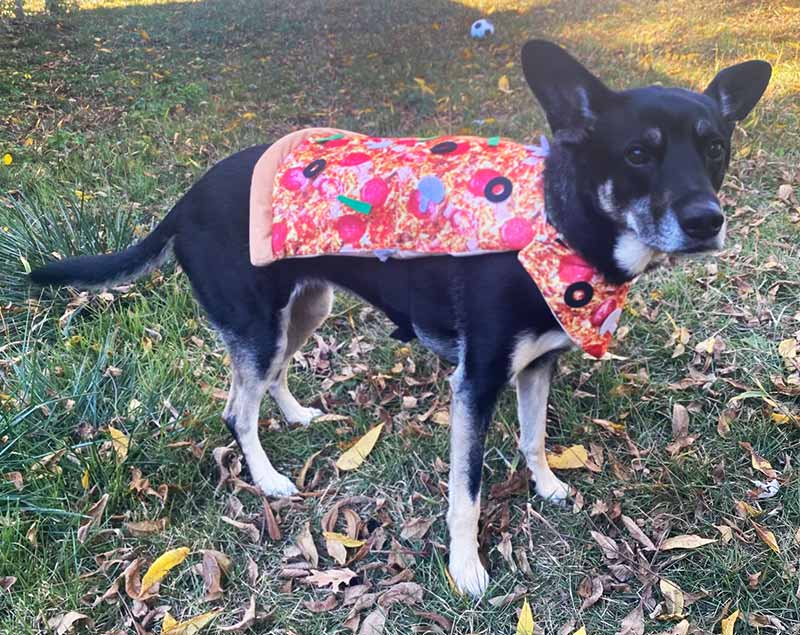
Keep an eye on the yard
If your pet will be outside, check the yard before letting them out. Halloween can bring unfamiliar people, decorations, candy wrappers, and other objects into areas where your pet normally plays.
And even if your dog has a fenced yard, supervise them outside. Costumes and unusual activity can frighten pets and increase the chance of an escape.
Remember that costumes can change how people and pets behave
A person your dog knows may look completely different in a mask, hat, wig, or full costume.
If your dog is uncomfortable around strangers or easily startled, don’t assume they’ll recognize everyone in costume. Give them space and don’t force interactions.
Children should also be taught not to approach a dog that is hiding, growling, backing away, or otherwise showing signs of discomfort.
A growl is communication. If a dog is telling you they are uncomfortable, listen and give them space rather than punishing the warning.
Don’t let pets eat Halloween leftovers
After the trick-or-treating is over, remember that the hazards don’t disappear.
Keep candy bowls, wrappers, food scraps, and drinks out of reach. Guests may leave things on coffee tables, counters, or floors where pets can easily investigate them later.
Alcohol can also be dangerous for pets, so keep alcoholic beverages somewhere your pet cannot access them.
Know what an emergency looks like
If you think your pet has eaten something potentially toxic, don’t wait until they become visibly sick before calling for help.
Depending on what they consumed, signs of poisoning or an intestinal obstruction can include:
- Vomiting
- Diarrhea
- Excessive drooling
- Tremors or shaking
- Weakness or unusual sleepiness
- Restlessness or agitation
- Loss of coordination
- Seizures
- Difficulty breathing
- Abdominal pain
- Repeatedly trying to vomit
- Loss of appetite
Some toxins can cause serious problems before obvious symptoms appear, so early veterinary advice is important.
When you call, be prepared to tell the veterinary team:
- What your pet ate
- Approximately how much they ate
- When they ate it
- Your pet’s approximate weight
- Any symptoms you are seeing
- The product’s packaging or ingredient list, if available
If your pet is experiencing severe symptoms such as seizures, difficulty breathing, collapse, or loss of consciousness, seek emergency veterinary care immediately.
A few minutes of preparation can prevent a Halloween emergency
Your pet doesn’t need to participate in Halloween to have a good night. For some pets, the best Halloween plan is a quiet room, a comfortable bed, a favorite toy or chew, and a break from the chaos.
Take a few minutes before the evening begins to put candy and decorations out of reach, secure your pet away from the front door, check their identification, and make sure everyone in your household knows the plan.
A safe Halloween is a happy Halloween for BOTH you and your pets.